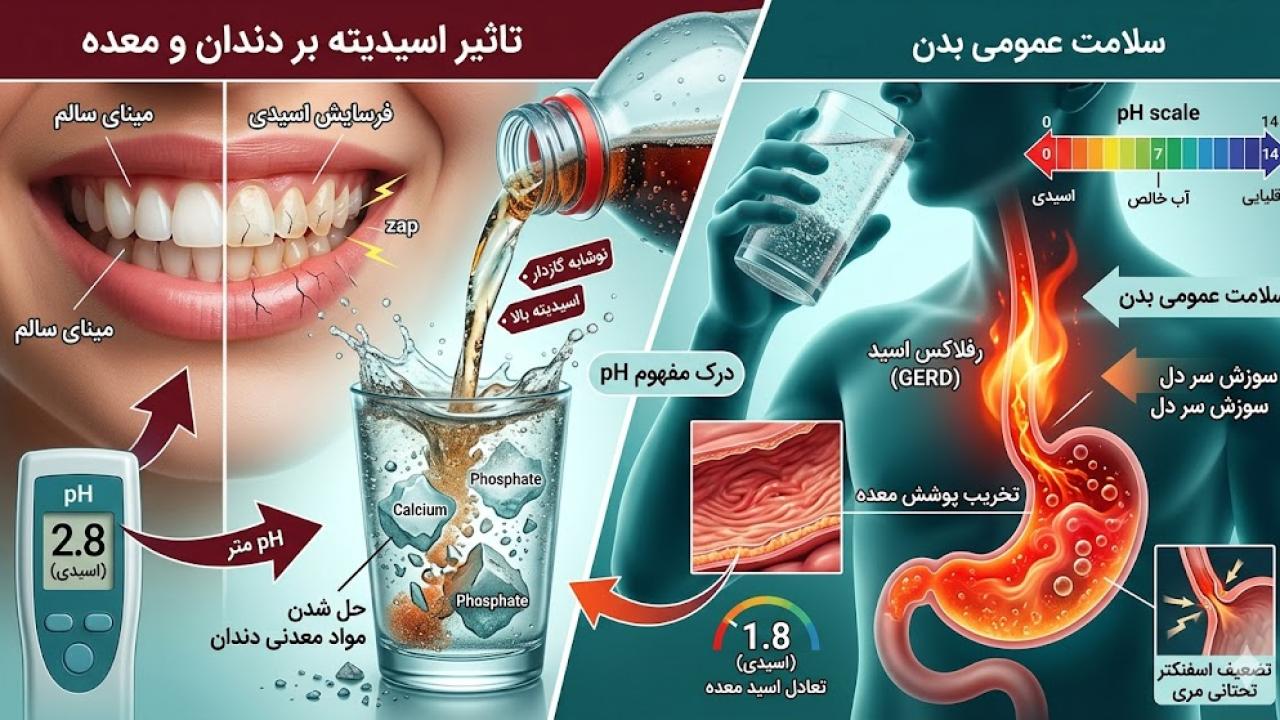
The acidity of beverages refers to the concentration of hydrogen ions they contain, which is measured using the pH scale, and it has a direct impact on the health of our teeth and stomach. Understanding this concept is essential for maintaining overall health.
How Is the Concept of pH Defined in Beverages?
The concept of pH is a scale used to measure how acidic or alkaline a solution is, ranging from 0 to 14. Values below 7 indicate acidity, a pH of 7 indicates neutrality, and values above 7 indicate alkalinity. For example, carbonated soft drinks typically have a pH of approximately 2.5 to 3.5, making them highly acidic, whereas pure water has a pH of 7.
Why Is Understanding the pH of Beverages Important for Dental and Gastric Health?
Understanding the pH of beverages is critically important for dental and gastric health because acidic substances can damage tooth enamel and cause its erosion, while also affecting the balance of stomach acid and contributing to conditions such as acid reflux and heartburn. Our bodies possess natural mechanisms to maintain pH balance; however, the continuous consumption of highly acidic beverages can disrupt this equilibrium.
How Do Acidic Beverages Damage Teeth?
Acidic beverages damage teeth by dissolving the minerals present in tooth enamel, which is the hardest tissue in the human body. Over time, this process can gradually thin the enamel and increase tooth sensitivity.
How Does Tooth Enamel Erosion Caused by Beverage Acidity Occur?
Tooth enamel erosion caused by beverage acidity occurs when the acids present in beverages react with the calcium and phosphate in the enamel, weakening its structure. Each time an acidic beverage is consumed, the pH of the mouth decreases for approximately 20 to 30 minutes, and this acidic environment provides an opportunity for erosion to occur. This process can lead to tooth sensitivity, discoloration, and even tooth decay.
Do All Acidic Beverages Damage Teeth to the Same Extent?
No, not all acidic beverages damage teeth to the same extent; the degree of damage depends on several factors, including the pH level, the duration of contact with the teeth, and the presence of other substances in the beverage. For example:
- Carbonated soft drinks and energy drinks cause the greatest damage due to their very low pH levels and, in many cases, their sugar content.
- Commercial fruit juices (particularly citrus juices) may also be harmful because of their high acidity, even when they are natural.
- Coffee and tea (especially when additives such as lemon are included) may also be mildly acidic, although their impact is less significant than that of soft drinks.
What Strategies Can Help Reduce the Damage Caused by Acidic Beverages to Teeth?
To reduce the damage caused by acidic beverages to teeth, you can implement the following strategies:
- Limit the consumption of acidic beverages.
- Use a straw when consuming acidic beverages to reduce contact with the teeth.
- Rinse your mouth with water immediately after consuming acidic beverages.
- Brush your teeth approximately 30 minutes to one hour after consuming an acidic beverage to allow time for the enamel to remineralize.
- Use fluoride-containing toothpaste, which helps strengthen tooth enamel.
- Consuming cheese and milk after acidic beverages may help neutralize acids and reinforce tooth enamel.
What Is the Impact of Beverage pH on Stomach Health?
The impact of beverage pH on stomach health is considerable because the stomach naturally maintains a highly acidic environment, and significant changes in pH can affect both gastric function and the digestive system.
How Can Acidic Beverages Cause Acid Reflux and Heartburn?
Acidic beverages can contribute to the development or worsening of gastroesophageal reflux disease (GERD) and heartburn by increasing the overall acidity within the stomach. These beverages may irritate or weaken the lower esophageal sphincter, which is responsible for preventing stomach acid from flowing back into the esophagus. When this muscle weakens, stomach acid refluxes into the esophagus, causing burning sensations and inflammation.
Beverages that commonly contribute to acid reflux include:
- Citrus juices (orange, grapefruit, and lemon)
- Coffee and tea (particularly highly caffeinated varieties)
- Carbonated soft drinks
- Alcohol
Are Alkaline Beverages Beneficial for Stomach Health?
Yes, alkaline beverages can be beneficial for stomach health, particularly for individuals suffering from acid reflux and heartburn. By helping neutralize excess stomach acid, these beverages may alleviate symptoms. For example, alkaline water with a pH higher than 7.0 may deactivate pepsin, the enzyme responsible for esophageal damage associated with reflux.
Which Beverages Are Recommended for Reducing Stomach Problems?
The following beverages are often recommended for reducing stomach discomfort:
- Plain Water: The best and healthiest option for hydration without introducing acids or irritating the stomach.
- Alkaline Water: May help neutralize stomach acid.
- Caffeine-Free Herbal Teas: Such as chamomile, ginger, or peppermint tea (although peppermint may trigger symptoms in some individuals), which possess soothing properties.
- Low-Fat Milk: May help relieve heartburn in some individuals; however, for others, the fat content in milk may exacerbate symptoms.
- Coconut Water: Contains electrolytes and hydrating properties and is generally well tolerated.
[Practical Experience]: How Can We Manage the Consumption of Acidic Beverages?
In everyday life, managing the consumption of acidic beverages requires awareness and the adoption of small yet effective dietary changes. Experience has shown that with a little attention, we can continue to enjoy our favorite beverages while protecting both our teeth and stomach.
One practical strategy is to always keep a bottle of water nearby. After consuming any acidic beverage, such as commercial fruit juices or carbonated soft drinks, immediately take a few sips of water. This practice helps rinse acids away from the teeth and partially neutralize the oral environment. In addition, if you are a coffee enthusiast, try consuming it without sugar and with milk, which is relatively more alkaline. For individuals suffering from acid reflux, keeping a glass of alkaline water or chamomile tea readily available can help alleviate symptoms when they occur. Timing is also crucial; avoid consuming acidic beverages immediately before bedtime, as doing so can aggravate nighttime acid reflux. Instead, stop drinking beverages approximately one hour before going to bed or opt for plain water.
Frequently Asked Questions (FAQ) About the Impact of Beverage pH on Health
Is lemon juice acidic, and can it damage teeth?
Yes, lemon juice is highly acidic and can damage tooth enamel. It is recommended to consume it through a straw and rinse the mouth with water immediately afterward.
What is the best beverage for dental health?
Plain water is the best beverage for dental health because it has a neutral pH and helps rinse away food particles and acids.
How can the damage caused by acidic beverages be neutralized?
To neutralize the damage caused by acidic beverages, you can rinse your mouth with water immediately after consumption, chew sugar-free gum, or drink a small amount of milk.
Is drinking water immediately after consuming an acidic beverage beneficial?
Yes, drinking water immediately after consuming an acidic beverage helps wash acids away from the surface of the teeth and restore the mouth's pH to its natural state.
What effect do diet soft drinks have on teeth?
Diet soft drinks can still damage tooth enamel because of the acids they contain, even in the absence of sugar.
Are coffee and tea harmful to teeth?
Coffee and tea may also be mildly acidic and can contribute to tooth discoloration over time; however, their damaging effects are less severe than those of soft drinks. Adding milk may help reduce their acidity.
What are the signs of tooth enamel erosion?
Signs of tooth enamel erosion include sensitivity to hot or cold foods, discoloration (yellowing), transparency along the edges of the teeth, and exposure of the underlying dentin.
Which foods help strengthen tooth enamel?
Foods rich in calcium (such as milk and cheese), phosphorus, and fluoride help strengthen and remineralize tooth enamel.
Are sports drinks acidic?
Many sports drinks contain high amounts of sugar and acids, which can damage tooth enamel and contribute to acid reflux.
Can alkaline water cure acid reflux?
Alkaline water may help relieve acid reflux symptoms by neutralizing stomach acid; however, it is not considered a definitive treatment and should be consumed in consultation with a healthcare professional.
What are the normal pH levels of the mouth and stomach?
The normal pH of the mouth ranges from approximately 6.7 to 7.3, whereas the stomach naturally maintains a highly acidic pH ranging from approximately 1.5 to 3.5.
When should we seek medical attention for dental or stomach problems?
If you experience severe tooth sensitivity, persistent pain, severe symptoms of acid reflux such as frequent heartburn, difficulty swallowing, or unexplained weight changes, you should promptly consult a dentist or a medical specialist.