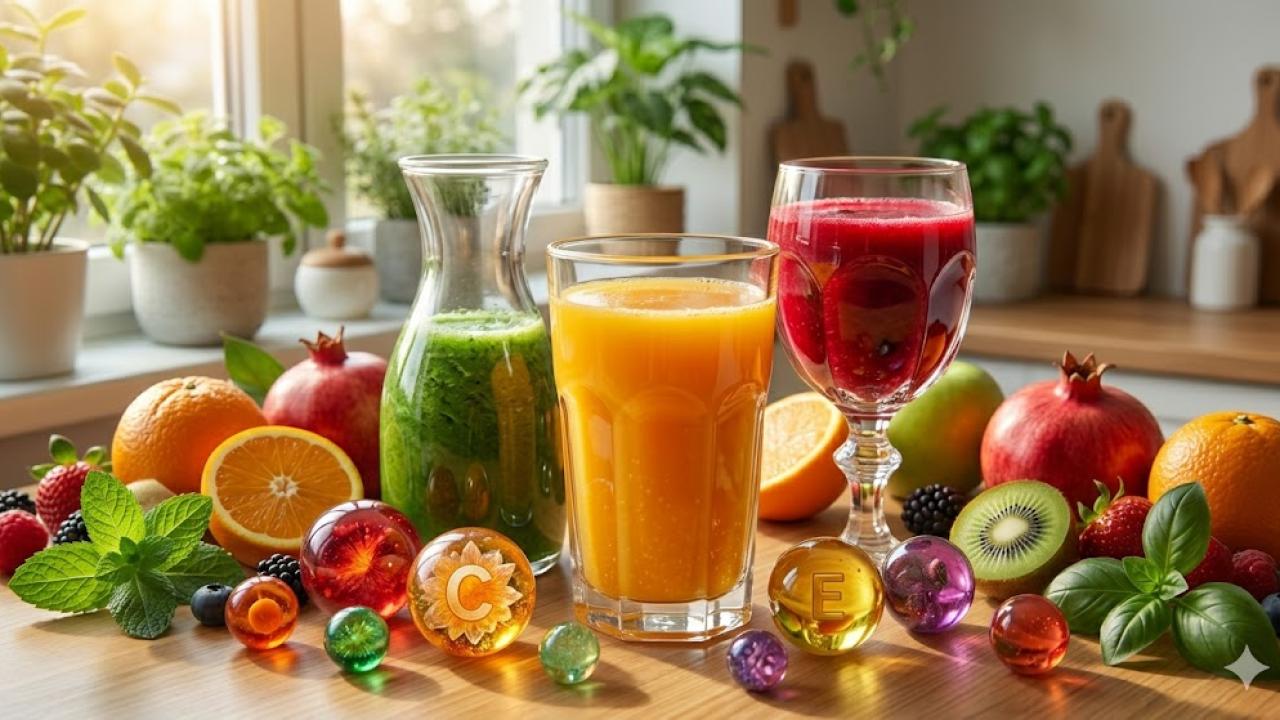
The best time to consume fruit juice to maximize vitamin absorption is often on an empty stomach, particularly in the morning, or between meals. This timing allows the body to absorb nutrients quickly without interference from the digestion of solid foods.
Why Does the Timing of Fruit Juice Consumption Matter for Vitamin Absorption?
The timing of fruit juice consumption is highly important because of its effect on nutrient digestion and absorption. Your body can process liquid vitamins and minerals much more quickly and efficiently than those from solid foods, provided that digestive conditions are favorable.
Is the Digestion and Absorption of Vitamins Dependent on a Specific Time?
Yes, the digestion and absorption of vitamins can depend on timing. During periods when your digestive system is relatively inactive, such as in the morning on an empty stomach, nutrient absorption from fruit juice is significantly enhanced due to the absence of interference from the fiber and fats found in other foods.
When Is the Best Time to Drink Fruit Juice?
The ideal time to consume fruit juice for optimal vitamin absorption is in the morning on an empty stomach. At this time, your body is more prepared to receive and process nutrients and can absorb vitamins and enzymes more rapidly.
Is Drinking Fruit Juice on an Empty Stomach Beneficial?
Drinking fruit juice on an empty stomach is highly beneficial. In this state, your digestive system can rapidly absorb vitamins, minerals, and enzymes without any barriers. This can support the body's detoxification processes and provide an immediate source of energy.
Why Is Drinking Fruit Juice Before Breakfast Recommended?
Consuming fruit juice before breakfast is recommended because it gives the body an opportunity to absorb nutrients before more complex solid foods enter the digestive system. This practice can help improve hydration and kick-start the body's metabolism at the beginning of the day.
Which Fruit Juices Are Best for Providing Morning Energy?
The best fruit juices for providing morning energy are generally those rich in vitamin C and natural sugars. Juices such as orange juice, apple juice, or blends of green fruits and vegetables can quickly provide the energy needed to start the day.
How Should Fruit Juice Be Consumed Throughout the Day?
Fruit juice consumption throughout the day should be adjusted according to your energy levels and your body's needs. To prevent significant fluctuations in blood sugar levels, it is advisable to consume fruit juices as snacks or alongside light meals.
Is Drinking Fruit Juice Between Meals Appropriate?
Yes, drinking fruit juice between meals is highly appropriate. This timing allows the body to absorb nutrients without interfering with the digestion of heavier foods. It can also help provide sustained energy and prevent overeating.
When Does Fruit Juice Offer the Greatest Benefits Before or After Exercise?
- Before Exercise: Fruit juice can serve as a quick source of energy and carbohydrates to enhance endurance.
- After Exercise: It helps replenish fluids and electrolytes while providing the sugars needed for muscle recovery. The ideal time is 30 to 60 minutes after completing physical activity.
When Should We Avoid or Limit Fruit Juice Consumption?
You should avoid excessive fruit juice consumption at times when it may cause blood sugar fluctuations, especially if you have diabetes. In addition, consuming large amounts immediately after heavy meals may make digestion more difficult.
Is Drinking Fruit Juice Immediately After Meals Recommended?
Drinking fruit juice immediately after meals is generally not recommended. Fruit juice may slow the digestive process and contribute to bloating or discomfort. It is preferable to drink fruit juice at least 30 minutes before or 1 to 2 hours after a main meal.
How Does Fruit Juice Affect Blood Sugar Levels?
Due to its natural sugar content, fruit juice can rapidly increase blood sugar levels. This rapid rise, particularly with commercially produced fruit juices or those containing little fiber, may be problematic for individuals prone to diabetes or those seeking weight management. Therefore, moderate consumption and awareness of sugar content are important.
Practical Experience
Over the years of working with different clients and evaluating their lifestyles, I have observed that even the smallest adjustments in the timing of fluid consumption can make a substantial difference in nutrient absorption.
For example, one client who always drank fruit juice alongside a heavy breakfast experienced a noticeable increase in energy levels and improved digestive function after I recommended consuming natural juice—such as celery juice or apple and carrot juice—half an hour before breakfast.
This experience demonstrates that even minor modifications to daily routines can help the body make the most of the benefits of fresh fruits and vegetables, leading to improved absorption of antioxidants and vitamins.
How Can We Maximize Vitamin Absorption from Fruit Juice?
To maximize vitamin absorption from fruit juice, consider the following recommendations:
- Timing: Drink fruit juice on an empty stomach or between meals.
- Freshness: Always choose freshly prepared, homemade fruit juices.
- Variety: Use a diverse selection of fruits and vegetables when preparing juices.
- Quality: Whenever possible, opt for organic produce.
Does the Quality of Fruit Juice Affect Vitamin Absorption?
Yes, the quality of fruit juice plays a very important role in vitamin absorption. Fresh, homemade juices prepared from high-quality fruits and vegetables contain the highest levels of vitamins, minerals, and active enzymes. Commercially processed juices are often highly processed and may have lost many of their nutrients.
How Does Combining Fruit Juice with Other Ingredients Affect Absorption?
- Enhanced Absorption: Adding a small amount of healthy fat (such as coconut oil or avocado) to juices rich in fat-soluble vitamins (such as vitamin A or vitamin K) can improve their absorption.
- Reduced Absorption: Combining fruit juice with heavy meals or caffeine may temporarily slow nutrient absorption.
Frequently Asked Questions (FAQ)
Is Drinking Fruit Juice on an Empty Stomach Beneficial?
Yes, drinking fruit juice on an empty stomach is highly beneficial because it supports the rapid and efficient absorption of vitamins and minerals.
What Is the Best Fruit Juice for Breakfast?
The best breakfast juices include orange juice, apple juice, and green juices containing ingredients such as spinach and cucumber, as they provide energy and vitamin C.
Should Fruit Juice Be Consumed Before or After Meals?
For better vitamin absorption, it is recommended to consume fruit juice at least 30 minutes before meals rather than immediately afterward.
Is Fruit Juice Beneficial for Athletes?
Yes, fruit juice can be beneficial for athletes and may help provide energy before exercise and support recovery afterward.
How Can Vitamin Absorption Be Improved?
Vitamin absorption can be enhanced by drinking fresh fruit juice on an empty stomach, combining it with a small amount of healthy fat for fat-soluble vitamins, and consuming a variety of fruits and vegetables.
Is Natural Fruit Juice Better Than Commercial Fruit Juice?
Natural fruit juice is considerably better because it contains more nutrients and is free from harmful additives such as excessive sugar and preservatives.
What Vitamins Are Found in Fruit Juice?
Depending on the fruits or vegetables used, fruit juices can be rich sources of vitamin C, vitamin A, potassium, and various other vitamins and minerals.
Who Should Avoid Drinking Fruit Juice?
Individuals with diabetes or blood sugar disorders, as well as those pursuing significant weight loss, should exercise caution when consuming fruit juice or consult a healthcare professional.
Does Fruit Juice Contain a High Amount of Sugar?
Yes, even natural fruit juice contains naturally occurring sugars, and excessive consumption may lead to elevated blood sugar levels.
Is Drinking Fruit Juice at Night Harmful?
Drinking fruit juice at night, particularly sweet fruit juices, may disrupt sleep and contribute to weight gain due to their sugar content. It is advisable to limit fruit juice consumption to the earlier hours of the day.