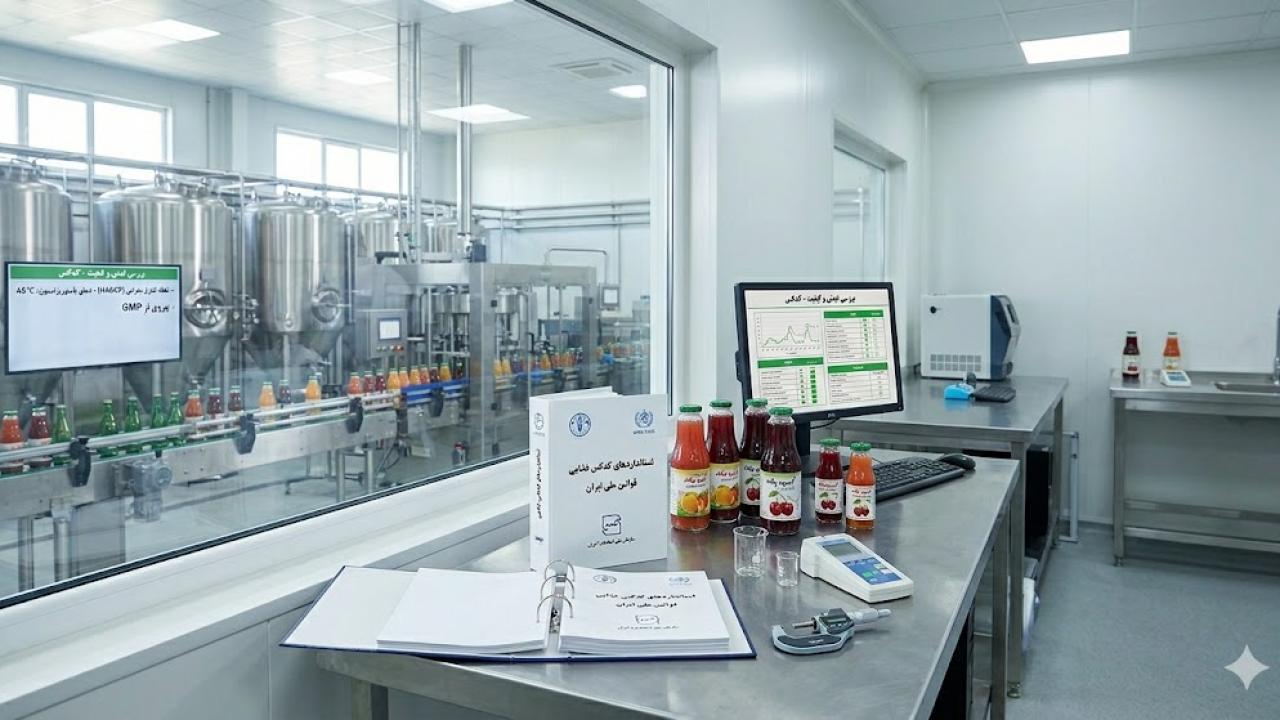
Codex food standards are a set of international criteria developed by the Codex Alimentarius Commission (FAO/WHO) and play a vital role in ensuring the safety and quality of beverages. These standards contribute to the harmonization of food safety regulations on a global scale and facilitate fair and safe international trade. By adhering to these standards, beverage manufacturers ensure that their products are produced in accordance with global best practices and are safe for consumers.
Which Organizations Oversee the Development and Implementation of Codex Standards?
The development and oversight of Codex food standards are primarily the responsibility of the Codex Alimentarius Commission, which was established by the Food and Agriculture Organization of the United Nations (FAO) and the World Health Organization (WHO). In collaboration with international experts, governments, and relevant organizations, the Commission develops guidelines and codes of practice for a wide range of food products, including beverages. Member countries are also responsible for adapting and implementing these standards within their national legislation.
How Do National Beverage Production Regulations Complement Codex Standards?
National beverage production regulations complement Codex standards by providing country-specific legal frameworks to ensure consumer health and product quality. While Codex offers general international guidelines, national regulations define more detailed requirements regarding raw materials, production processes, labeling, and domestic oversight. These regulations are developed and enforced by authorities such as the Ministry of Health and the National Standards Organization of each country to ensure compatibility with regional climatic, cultural, and economic conditions.
What Is the Difference Between Codex Standards and National Regulations?
The primary difference between Codex standards and national regulations lies in their nature and scope. Codex standards are international and voluntary recommendations that serve as global references, whereas national regulations are legal and mandatory requirements within a specific country. National regulations may be more stringent than Codex standards or may address aspects that Codex does not directly cover, such as import and export requirements or beverage taxation. Manufacturers are required to comply with both international standards and domestic regulations.
Which Aspects of Beverage Production Are Covered by Codex Standards and Beverage Production Regulations?
Codex standards and beverage production regulations cover a wide range of production aspects to ensure the final product's safety and quality. This comprehensive coverage includes the following:
- Raw Material Quality and Safety: Establishing standards for water, fruits, concentrates, and other raw materials used in beverage production.
- Production Processes and Hygiene: Including guidelines for Good Manufacturing Practices (GMP) and Hazard Analysis and Critical Control Points (HACCP) to prevent contamination and ensure hygiene throughout all stages of production.
- Food Additives and Contaminants: Establishing maximum permissible levels for food additives, colorings, and sweeteners, as well as limitations for contaminants such as heavy metals and mycotoxins.
- Packaging: Standards governing packaging materials that come into contact with the product to prevent the migration of harmful substances into the beverage.
- Labeling: Requirements regarding the information that must appear on product labels, including the product name, ingredient list, manufacturing and expiration dates, nutritional value, and storage instructions.
- Quality Control and Testing: The requirement to conduct regular laboratory testing to ensure that the final product complies with established standards.
Are All Beverages Subject to These Regulations and Standards?
Yes, nearly all types of beverages are subject to a set of Codex and national regulations and standards, although the specific requirements vary depending on the type of beverage. For example, standards applicable to fruit juices may differ from those governing carbonated soft drinks or energy drinks. Alcoholic beverages are also subject to specific regulations concerning production, distribution, and labeling in addition to general requirements, often administered by specialized regulatory authorities. The overall objective is to ensure that every beverage introduced to the market is safe and of suitable quality for consumers.
Reviewing a Practical Experience
In practice, compliance with Codex standards and beverage production regulations requires a systematic and meticulous approach from beverage manufacturers. One of the most important steps is the full implementation of the HACCP system across all production lines. This system helps identify and control potential hazards from the receipt of raw materials through to the final packaging stage. For example, in fruit juice production, strict control of pasteurization temperature—a critical control point—is essential for eliminating harmful microorganisms. In addition, conducting routine microbiological and chemical laboratory tests and maintaining accurate documentation of the results are of paramount importance. Such documentation is not only necessary for regulatory inspections but also enables rapid traceability and troubleshooting should any issue arise. This experience demonstrates that a commitment to quality and safety control is not merely a legal obligation but also contributes to enhancing consumer trust and ensuring business sustainability.
Why Is Compliance with Codex Standards and Beverage Production Regulations Essential for Manufacturers?
Compliance with Codex standards and beverage production regulations is essential for manufacturers for numerous reasons and extends far beyond a simple legal requirement. It contributes to protecting public health, increasing consumer confidence, enabling access to international markets, and preventing legal penalties and damage to brand reputation. Manufacturers that adhere to these standards not only reduce health and legal risks but also position themselves as providers of high-quality and safe products, thereby enhancing their competitiveness in the marketplace.
What Are the Consequences of Non-Compliance for Manufacturers?
Failure to comply with Codex standards and beverage production regulations can result in serious and, in some cases, irreversible consequences for manufacturers. These consequences include substantial financial penalties, product recalls, suspension or revocation of operating licenses, and, in more severe cases, legal prosecution and significant damage to reputation and brand image. Furthermore, unsafe or poor-quality products may lead to consumer illness or dissatisfaction and undermine public trust in the brand, which can be extremely difficult to restore.
How Can Manufacturers Stay Informed About the Latest Updates to Codex Standards and Beverage Production Regulations?
To remain informed about the latest updates to Codex standards and beverage production regulations, manufacturers should refer to reliable and official sources. These include the official websites of organizations such as the Codex Alimentarius Commission, national standards authorities, and ministries of health. Membership in professional associations related to the food and beverage industries can also be beneficial, as these associations often organize seminars and training workshops while providing members with up-to-date information. In addition, consulting with legal and technical experts specializing in food safety and beverage production regulations can greatly assist manufacturers in accurately interpreting and properly implementing regulatory requirements.
Frequently Asked Questions (FAQ) About Understanding Codex Standards and Beverage Production Regulations
What exactly is the Codex Alimentarius, and what is its purpose?
The Codex Alimentarius is a collection of international standards developed by FAO and WHO to ensure the safety and quality of food products, including beverages. It serves as a reference for global trade and national legislation.
Why are drinking water standards important in beverage production?
Drinking water is one of the primary raw materials used in many beverages, and its quality directly affects the safety and taste of the final product. Therefore, compliance with stringent water standards is essential.
Are Codex standards mandatory for all countries?
Codex standards are not directly mandatory; however, they are often recognized as references in international trade agreements, and many countries have incorporated them into their national legislation.
What does GMP mean in the beverage industry?
GMP (Good Manufacturing Practices) refers to a set of guidelines designed to ensure the hygienic and safe production of beverages throughout all stages of the manufacturing process.
What is the role of labeling in beverage production regulations?
Proper and transparent labeling provides consumers with essential information about the product, including ingredients, nutritional value, manufacturing and expiration dates, and thereby safeguards consumer rights.
Do beverage production regulations also apply to traditional beverages?
Yes, traditional beverages are also subject to general safety and hygiene regulations, although certain specific requirements may apply to their ingredients or traditional production methods.
How can fraud in beverage production be prevented?
Preventing fraud requires close monitoring of the supply chain, regular product testing, and strict enforcement of regulations by regulatory authorities.
Who is responsible for enforcing beverage production regulations in Iran?
In Iran, the Ministry of Health and Medical Education (through the Food and Drug Administration) and the National Standards Organization of Iran are among the principal authorities responsible for developing and enforcing beverage production regulations.
Must imported beverages also comply with these standards?
Yes, imported beverages must comply with the national and internationally accepted standards of the destination country and undergo inspection before entering the market.
Why does compliance with standards help increase consumer trust?
Compliance with standards demonstrates a manufacturer's commitment to product safety and quality, which in turn enhances consumer confidence and strengthens brand loyalty.