Juice pasteurization using the HTST (High Temperature Short Time) method is a process in which the liquid is heated to a temperature between 71 and 85°C for a very short duration (15 to 30 seconds) in order to eliminate pathogenic microorganisms and destructive enzymes without causing significant damage to the product’s taste and vitamins. This method is carried out using advanced heat exchangers and is immediately followed by rapid cooling to stabilize the sensory quality of the product.
This technology represents the backbone of safety in modern food industries. Unlike traditional “open kettle” methods that caused fruit to cook and degrade its structure, flash pasteurization allows juice to remain on store shelves for extended periods with minimal changes in color and aroma. In fact, it is this delicate balance between “temperature” and “time” that links biological safety with the enjoyment of tasting fresh juice.
What Is HTST Pasteurization and How Does It Ensure Juice Safety?
HTST pasteurization is a standard method for eliminating pathogenic bacteria such as Escherichia coli (E. coli) and Salmonella, which may enter fruit juice during harvesting or extraction processes. In this system, juice passes through extremely thin plates of a heat exchanger and reaches the target temperature within seconds.
In addition to microbial safety, this method also ensures product stability. By eliminating yeasts and molds, it prevents unwanted fermentation within the packaging.
How Do Heat Exchangers Function in Juice Pasteurization?
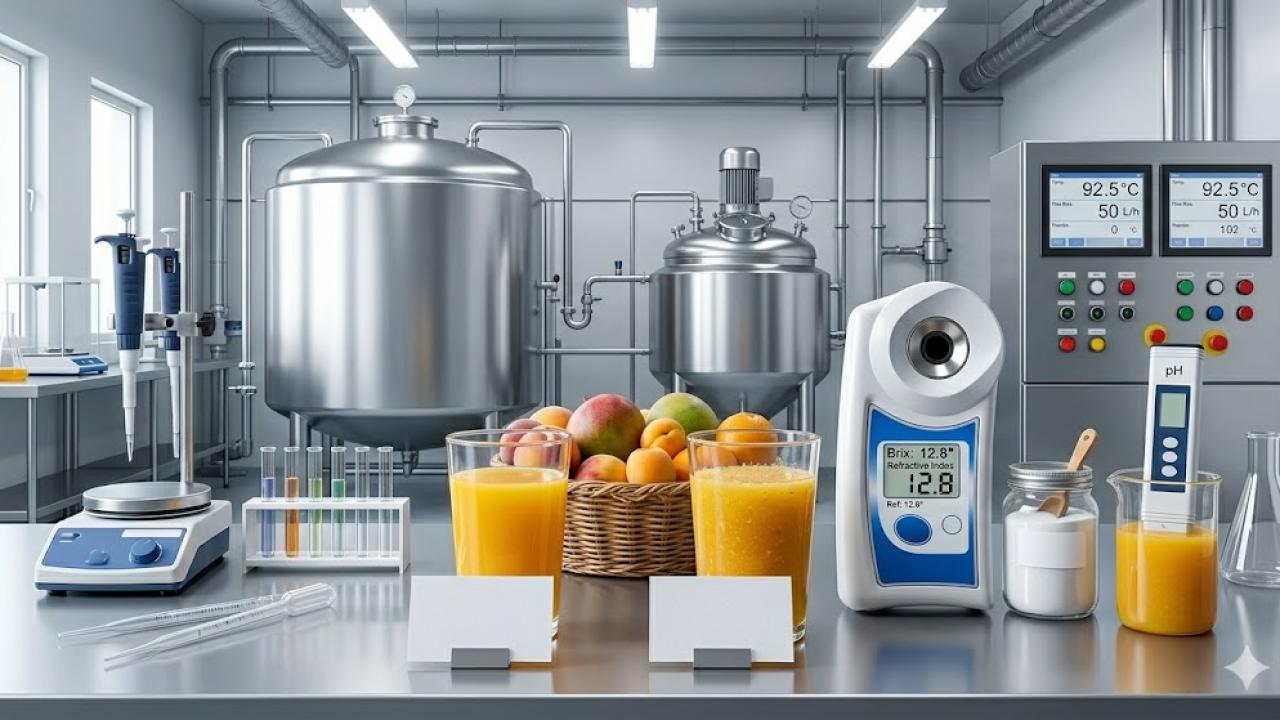
Heat exchangers are the core component of the pasteurization line. In these systems, raw juice and a hot fluid (typically hot water or steam) flow in separate channels in opposite directions. Corrugated metal plates create turbulent flow, enabling extremely rapid heat transfer.
A major advantage of this system is the “energy regeneration” section, where outgoing hot juice transfers its heat to incoming cold juice. This not only reduces energy consumption but also accelerates both heating and cooling processes, helping preserve the molecular structure of vitamins.
Why Is Holding Time Critical for Preserving Sensory Properties?
Holding time refers to the duration that juice remains at pasteurization temperature to ensure the entire volume has been adequately heated. Even a few seconds of excess time can trigger browning reactions (Maillard reactions), resulting in loss of fresh fruit flavor. Precision in designing holding tubes determines the difference between a premium product and a standard one.
What Is the Effect of Thermal Shock on Enzyme and Microorganism Inactivation?
Thermal shock in juice pasteurization not only destroys bacteria but also inactivates natural fruit enzymes. Enzymes are biological catalysts that, even in the absence of bacteria, can cause discoloration, aroma loss, and bitter taste formation.
Rapid temperature increase denatures the structural proteins of these enzymes and halts their activity. This is precisely what allows products such as peach nectar or orange juice to remain stable for months without changes in taste.
How Does Pasteurization Prevent Sedimentation and Phase Separation?
Many juices contain pectin, which contributes to viscosity and uniformity. The enzyme pectin methyl esterase (PME) tends to break down pectin, leading to sedimentation and phase separation (formation of a clear upper layer). Pasteurization inactivates this enzyme, permanently stabilizing the product’s texture and viscosity.
Comparison of Vitamin C Retention: HTST vs. Traditional Methods
In a controlled R&D experiment, fresh orange juice was pasteurized using two methods:
- Method 1 (Batch): 65°C for 30 minutes
- Method 2 (HTST): 80°C for 15 seconds
Observations:
- Batch Method: Due to prolonged exposure to heat and oxygen, approximately 35% of vitamin C was degraded, and the product developed a cooked flavor.
- HTST Method: Due to rapid processing and a closed system (without oxygen exposure), over 92% of vitamin C was preserved, and the product retained a bright color.
HTST pasteurization demonstrated that higher temperatures for shorter durations cause less damage to micronutrients than lower temperatures over extended periods.
Technical Differences between Plate and Tubular Pasteurization Systems
The choice between plate and tubular pasteurizers depends on product viscosity and particle content. Plate heat exchangers are highly efficient for clear and low-viscosity juices (such as apple and grape), as they occupy less space and provide excellent heat transfer.
For pulpy juices or thick purées, tubular systems are preferred. Wider tubes allow large particles and fibers to pass without clogging or localized burning.
What Is the Impact of HTST Pasteurization on Shelf Life and Color Stability?
Shelf life of pasteurized products is directly related to the elimination of initial microbial load and inactivation of oxidative enzymes. HTST pasteurization prevents browning by destroying the enzyme polyphenol oxidase, which would otherwise react with oxygen and phenolic compounds.
In aseptic packaging, pasteurized juice can remain stable for 6 to 12 months without refrigeration. This stability in color and flavor increases consumer trust, as the final product visually resembles freshly extracted juice.
Is Pasteurization Necessary for 100% Natural and Organic Juices?
Yes, even for 100% natural and organic products, pasteurization is a safety requirement. Juice is a highly favorable medium for the growth of bacteria and yeasts. Raw or unpasteurized products carry a high risk of causing serious foodborne illness. Therefore, regulatory authorities such as food and drug administration’s require pasteurization or an equivalent method to achieve a 5-log reduction in microbial load.
Many consumers are concerned about additives; however, HTST pasteurization is a physical process that completely eliminates the need for chemical preservatives. This means a product can be both 100% natural and fully safe.
Conclusion
HTST pasteurization serves as a bridge between technology and nature, ensuring that safety does not come at the expense of quality. Through precise thermal shock, it eliminates microbial and enzymatic threats while preserving the essence of fruit in the form of vitamins and natural aroma. In today’s world, choosing HTST-pasteurized products represents the most intelligent way to benefit from fruit properties year-round.
FAQ – Frequently Asked Questions about Juice Pasteurization
- Does HTST pasteurization destroy vitamin C?
No. Due to the very short heating time, more than 90% of vitamin C is preserved. - What is the typical pasteurization temperature for juice?
Depending on the fruit type and its pH, it typically ranges between 71 and 85°C. - What is the difference between pasteurization and boiling?
Pasteurization precisely controls time and temperature to preserve taste and nutrients, whereas boiling significantly alters flavor and destroys most vitamins. - Why must some juices be refrigerated?
Products that are pasteurized but not aseptically packaged require refrigeration to prevent growth of residual microorganisms. - Does pasteurization change juice flavor?
In HTST, flavor changes are minimal, and most consumers cannot distinguish it from fresh juice. - Are preservatives added to pasteurized juice?
No. The thermal process and sterile packaging eliminate the need for chemical preservatives. - Why is unpasteurized juice dangerous?
It may contain harmful bacteria such as E. coli, leading to severe gastrointestinal illness. - Does pasteurization affect juice sugar content?
No. The structure of natural sugars (fructose and glucose) remains unchanged. - Which equipment is suitable for pasteurizing thick nectars?
Tubular pasteurizers are the best option for viscous and pulpy products. - What is the shelf life of pasteurized juice?
Depending on packaging, it ranges from a few weeks (refrigerated) to up to one year (aseptic packaging at room temperature).