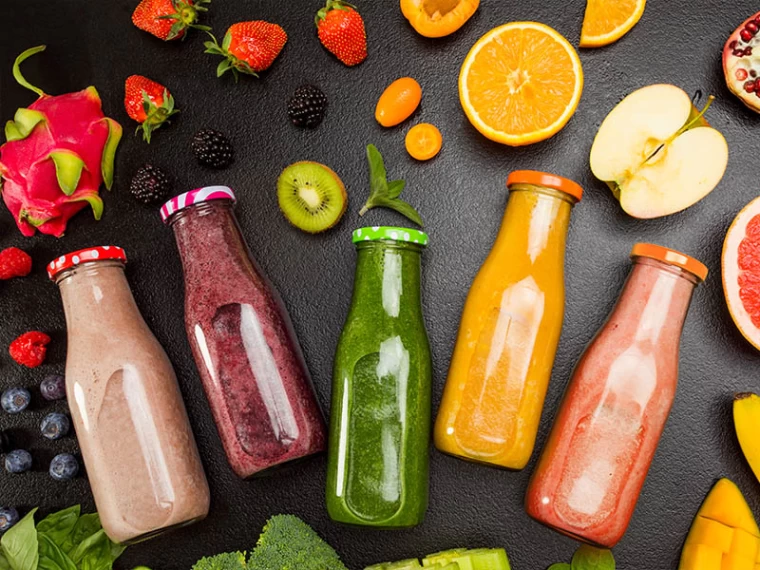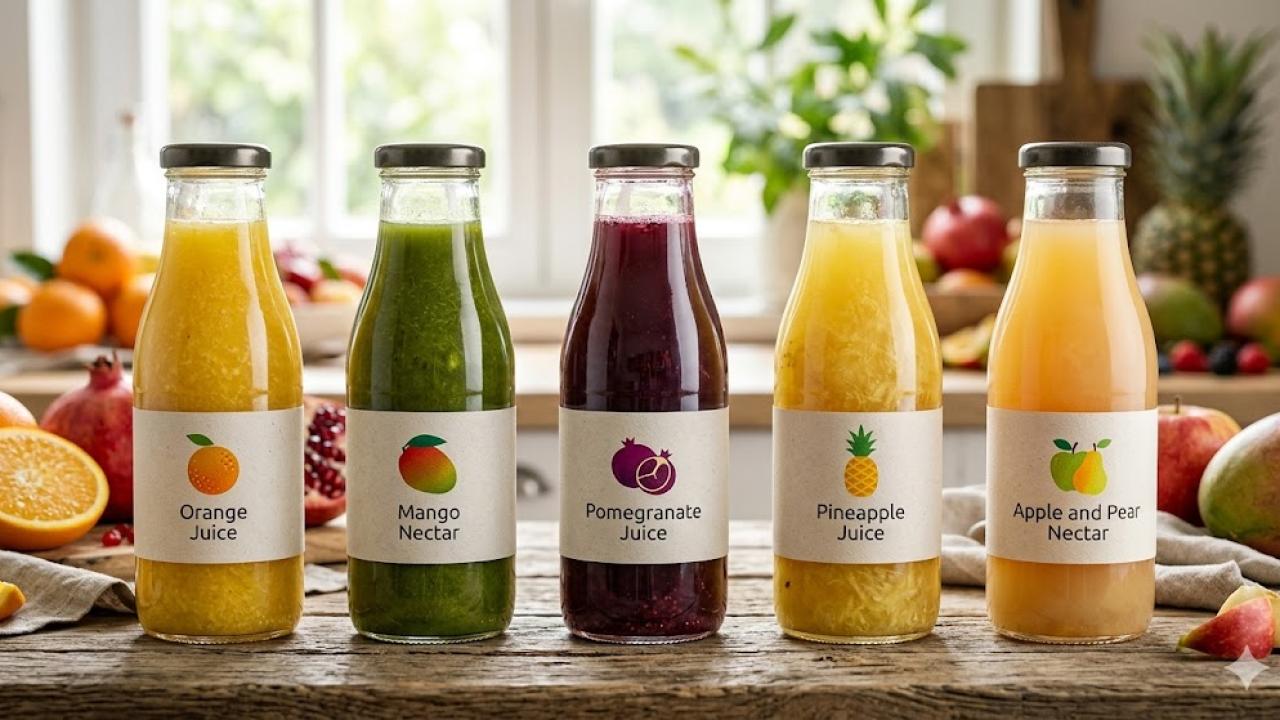
Pulp-containing juices refer to beverages that include fibrous particles separated from the fruit flesh. The presence of these particles not only enhances mouthfeel and creates a taste closer to fresh fruit, but also increases the nutritional value compared to clear juices. Due to their content of soluble and insoluble fibers, they help slow down the absorption of sugar into the bloodstream.
In the world of industrial beverages, pulp is a symbol of purity and closeness to nature. These small fibrous particles carry antioxidants and phytonutrients that are typically removed during intensive filtration processes used to produce clear juices. In the following sections, we explore the significant health impacts of pulp and the differences in its production.
Why Is Pulp Important for Health?
The primary benefit of pulp-containing juice is the retention of dietary fiber, which is usually removed during traditional and industrial juicing processes. These fibers include cellulose and hemicellulose, which support digestive health and help prevent constipation. Pulp also contains high levels of flavonoids that are bound to the fruit’s cell walls.
Additionally, the presence of pulp slows gastric emptying, meaning the beverage remains in the stomach longer. This creates a prolonged feeling of fullness and helps prevent overeating.
Does Fiber in Pulp Help Control Glycemic Index?
Yes. The fiber in pulp acts as a physical barrier that slows down digestive enzymes responsible for breaking down simple sugars such as fructose. As a result, blood sugar levels rise gradually rather than spiking rapidly.
This leads to a more balanced insulin response and may reduce the long-term risk of insulin resistance.
Structural Difference between Natural Pulp and Industrial Fruit Particles
Natural pulp consists of juice sacs and delicate fibrous strands that are soft and easily digestible. However, in some low-cost industrial beverages, instead of real pulp, manufacturers may use chopped inner peel layers of citrus or other fruits. These have a firmer texture and lack the nutritional value of true juice sacs.
In high-quality products, pulp is directly obtained from the fruit pressing stage and undergoes mild homogenization to ensure uniform particle size. In products such as peach or mango nectar, pulp is typically present in the form of puree, which increases the overall viscosity of the liquid.
How Is Pulp Separated and Reintroduced in Production?
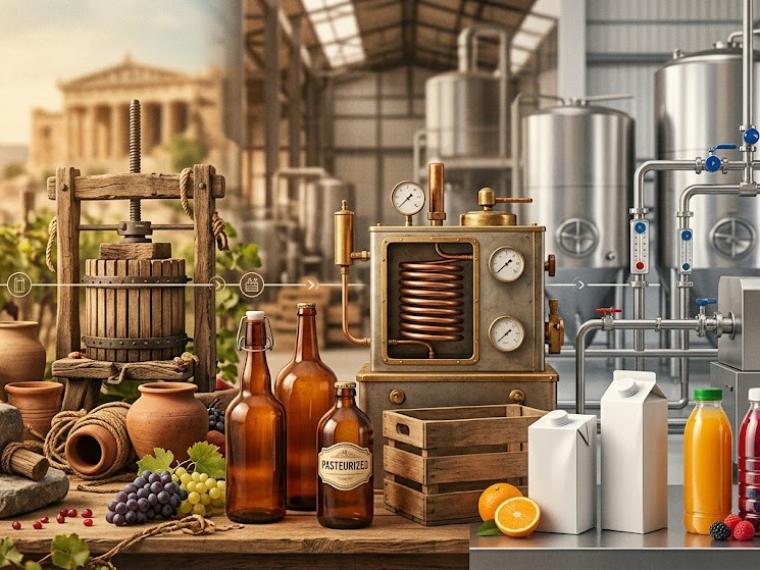
In industrial production, juice is initially separated from pulp using centrifuges or rotary filters to allow more precise pasteurization of the liquid phase. The separated pulp is then treated separately with mild heat to deactivate oxidative enzymes while preserving its physical structure.
After the juice is fully processed, pulp is reintroduced at controlled levels (typically 3% to 10% by weight). This “separation and recombination” method ensures uniform pulp distribution across all bottles.
Role of Pasteurization in Preserving Juice Sacs
Pasteurization must eliminate harmful microorganisms without damaging the delicate structure of pulp particles. High-Temperature Short-Time (HTST) heat exchange systems allow pulp to retain its freshness and texture.
If excessive heat is applied, the pulp can become overly soft or “cooked,” losing its natural color and flavor.
Can Pulp Improve Absorption of Certain Vitamins?
Yes. Many fat-soluble compounds such as beta-carotene (a precursor to vitamin A) and certain antioxidants are trapped within the fibrous network of pulp. Consuming juice with pulp allows these nutrients to be released gradually in the digestive system rather than being lost.
Additionally, minerals such as calcium and magnesium are often more concentrated in the cellular structure of pulp than in the liquid portion. Therefore, pulp-containing juice provides a more complete nutritional profile of the fruit.
How to Identify High-Quality and Authentic Pulp
One way to assess pulp quality is by observing its behavior in the bottle. Natural pulp tends to settle at the bottom due to its higher density. If pulp remains unnaturally suspended throughout the liquid and never settles, it may indicate the use of chemical stabilizers or modified artificial pulp.
Reading the product label and checking Brix values can also help determine authenticity. In high-quality products, the pulp should originate from the same fruit as the juice (e.g., citrus pulp in orange juice). Claims such as “contains natural fruit pieces,” along with standard certification marks, can increase product reliability.
Why Is Pulp-Containing Juice More Expensive?
The higher price is mainly due to production complexity and raw material costs. Extracting, separately pasteurizing, and packaging pulp requires more advanced equipment compared to simple filtration processes.
Additionally, pulp is more sensitive to spoilage during storage and requires stricter supply chain control. In concentrate production, much of the pulp is lost, so manufacturers must reintroduce high-quality pulp separately, which increases production costs.
Conclusion
Choosing pulp-containing juice is a smart way to bring your diet closer to a natural state. These small particles are more than just a visual difference—they help regulate blood sugar, improve digestion, and maximize nutrient intake.
Although such products may be slightly more expensive, their added health value far outweighs the cost. Before consumption, always shake the bottle to ensure even distribution of pulp.
FAQ: Frequently Asked Questions About Pulp-Containing Juice
Is pulp the same as fiber?
Yes, most of the pulp consists of soluble and insoluble dietary fiber.
Does pulp-containing juice have more calories than clear juice?
No, the base calorie content is similar, but fiber improves sugar metabolism.
Why should pulp juice be shaken before drinking?
Because pulp settles at the bottom due to its higher density; shaking ensures even distribution.
Are preservatives added to industrial pulp?
In standard products, pulp is pasteurized along with the juice and does not require chemical preservatives.
Which fruits provide the healthiest pulp?
Citrus fruits (such as orange and grapefruit) are excellent due to their flavonoid-rich juice sacs.
Is pulp-containing juice suitable for children?
Yes, it is beneficial for children over one year old, but large particles should be avoided.
What is the difference between pulp and puree?
Pulp consists of distinct particles, while puree is fully mashed and homogeneous.
Is pulp fully digested?
Cellulose components are not digested and act as insoluble fiber, aiding intestinal health.
Can nectars contain pulp?
Yes, many nectars include fruit particles to enhance a natural feel.
How can you tell if pulp is artificial?
Natural pulp has an irregular texture and breaks down easily when chewed, while artificial pulp may appear overly uniform or unusually firm.