What you’ll Read in This Article:
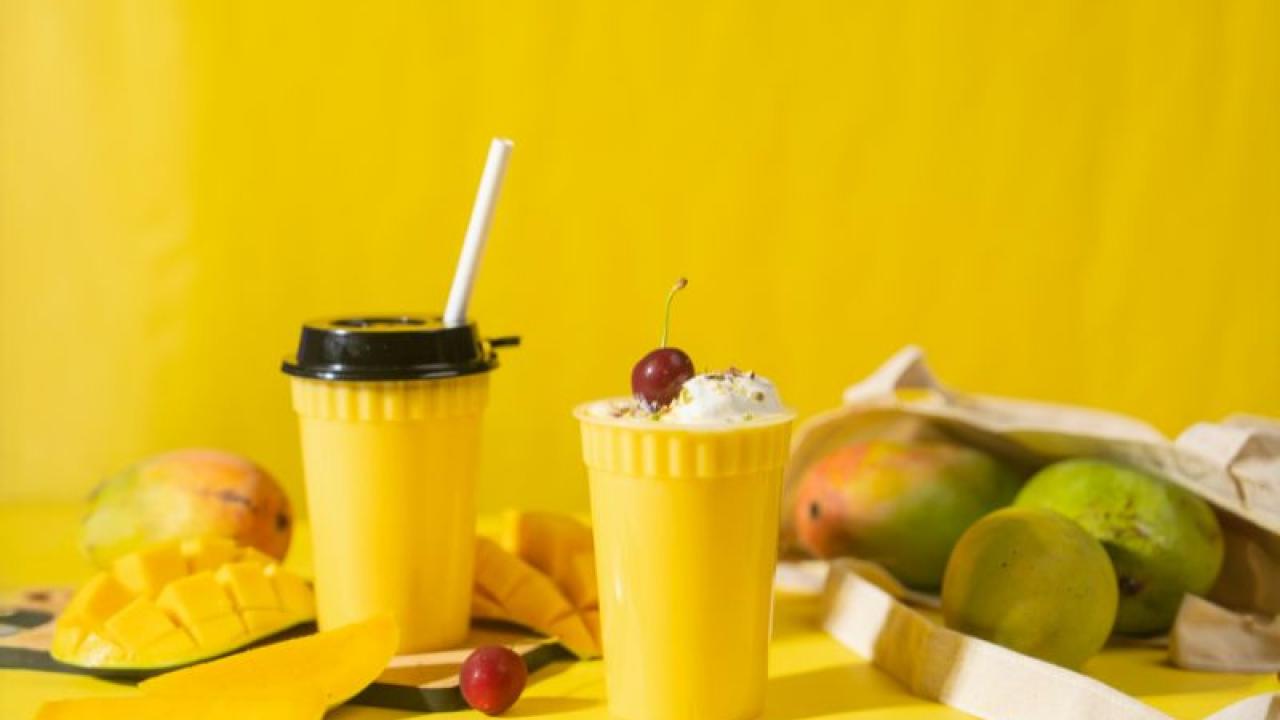
In this article, we’ll introduce different types of mango drinks and explain why mango is so popular in natural juice preparation. We’ll focus on the nutritional benefits of this fruit, especially the advantages of mango drinks for skin health and immune support. You’ll also learn how to make a mango-banana smoothie and mango lassi (mango with yogurt), plus the best times to drink mango juice for maximum absorption of vitamins A and C.
Mango: The King of Fruits and a Source of Vitamins A and C
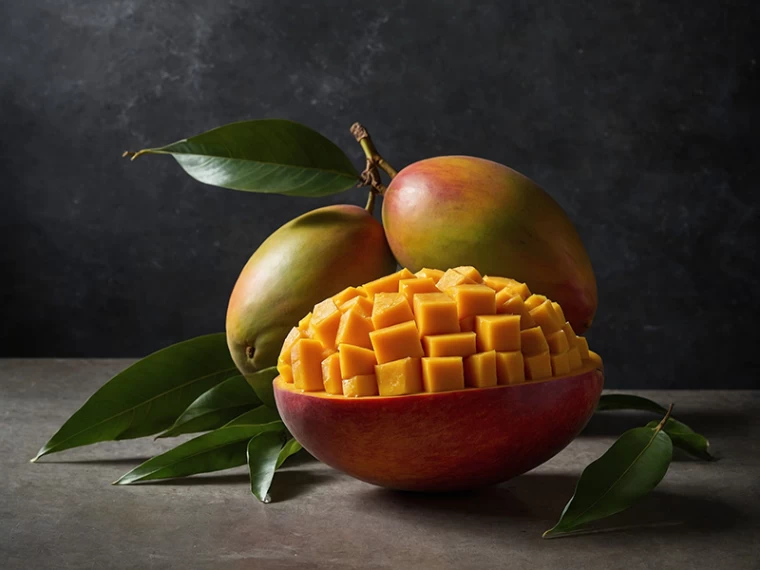
Thanks to its sweet taste, delightful aroma, and creamy texture, mango is one of the most popular fruits for beverages. It’s rich in vitamins, particularly vitamin C and vitamin A (as beta-carotene), both essential for overall health.
Key Benefits of Mango Drinks
Drinking mango juice or smoothies is a quick, tasty way to deliver nutrients to the body:
- Immune support & cold prevention: Mango is high in vitamin C. Regular consumption strengthens the immune system and helps the body resist colds.
- Eye health: Vitamin A and beta-carotene protect vision and shield eyes from light-related damage.
- Skin benefits: Vitamin C aids collagen production, vital for skin elasticity. Antioxidants in mango protect against environmental damage, keeping skin fresh and radiant.
Types of Mango Drinks and How to Make Them
Mango’s soft texture makes it an ideal base for a wide range of beverages-from fresh juice to shakes and cocktails.
Mango-Banana Smoothie (Nutritious and Energizing)
Mango and banana smoothie is a nutritious and complete beverage that can be consumed as breakfast or a snack.
- Ingredients: 1 cup frozen mango, 1 banana, ½ cup milk (or almond milk), a little honey (optional), and fresh ginger.
- Preparation: Blend all ingredients until creamy and smooth.
- Benefits: Mango provides vitamins, while banana adds potassium and fiber.
Mango Lassi: Mango with Yogurt
Mango lassi is a traditional Indian drink made by combining mango with yogurt.
- Ingredients: 1 cup mango purée, ½ cup Greek yogurt (or sweet yogurt), a pinch of cardamom or saffron (optional).
- Preparation: Blend mango purée, yogurt, and a little water. Add cardamom or saffron for aroma.
- Benefits: This mix delivers vitamins plus probiotics and calcium, supporting digestive health.
Best Time to Drink Mango Juice and Nutrition Tips
Despite its natural sweetness, mango is high in sugar, so moderation is important.
Best Time to Drink Mango Juice
Morning or midday is best for absorbing vitamins when the body needs energy. Drinking mango juice after exercise also helps restore energy thanks to natural sugars and potassium.
Precautions: High Sugar and Allergies
- Sugar content: Diabetics should consume diluted mango juice to avoid excessive sugar intake.
- Allergies: Mango belongs to the same family as sumac and pistachio, so some people may be sensitive.
Conclusion: Mango, More Than a Summer Delight
Mango drinks are an excellent choice for boosting health while enjoying tropical flavors. By understanding the benefits of mango for skin and immunity, and learning how to prepare mango-banana smoothies and mango lassi, you can include this nutritious fruit in diverse ways in your diet.
Frequently Asked Questions (FAQ)
- Is mango juice recommended for weight loss?
Eating whole mango is better due to its fiber. Mango juice has more sugar and less fiber, so smoothies are preferable.
- How can mango juice be made more effective against colds?
Add lemon juice (extra vitamin C) and fresh ginger (anti-inflammatory properties).
- Does mango aid digestion?
Yes. Mango contains enzymes like amylase and fiber, which help break down proteins and carbohydrates, improving digestive health.